Home Delivery

Free Shipping

Click & Collect
Narrow By
Furnishing a child's bedroom entails combining sleep, clothes, homework, and play into a constantly changing space. Homebox offers a wide range of kids’ room furniture, including beds, bunks, wardrobes, drawers, desks, chairs, and smaller soft seating with durable finishes.
Discover Kids' Room Furniture at Homebox UAE
Start with the bed, as it takes up the most floor space and determines where everything else can go. Frames come in two primary widths: 90x200 cm for a single and 120x200 cm for a double, so one measurement determines the mattress, bedding, and remaining space. Kids’ single beds fit one child and a narrow wall, while bunk beds fit two sleepers in the footprint of one.
Storage follows the bed, then the study corner, and finally a soft landing spot. Wardrobes are classified based on the number of doors rather than their width, and they come in three- and four-door configurations with various mirror and drawer combinations. Chests, a bedside table, and a bookcase surround them. Whereas a bedroom starts from scratch, a kids room set combines the bed and its storage into one finish.
Shop Kids Room Furniture Online in Dubai, Abu Dhabi
Buy for the stage your child is entering, not the one they are leaving. The most important factor is reach, because a rail, drawer, or shelf a youngster can use alone is the part of a bedroom that stays neat even when an adult isn't watching. Kids’ wardrobes hang items at a height a youngster can reach, with the lowest drawers holding what is worn most.
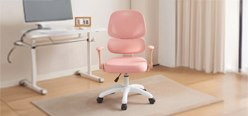
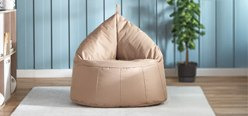
Homework comes with school, and a desk is only as useful as the seat next to it; therefore, adjustable study chairs are worth considering. The concept is completed with soft seating, and children's bean bags provide a place for reading and quiet time that tucks into a wall when you need floor space. Work through the room in that sequence. Homebox allows you to easily compare each stage before ordering.
FAQ
What Does a Complete Children's Room Include?
In actuality, five items are required: a bed, hanging and drawer storage, a bedside table, a desk with a chair once school begins, and a comfortable place to sit. A few rooms require all five at once. A toddler can get by with a bed, limited storage, and a clear floor, whereas a ten-year-old prefers the desk above the play space. Create a list for the next two years rather than today, and then buy in that order.
How Is Children's Furniture Different from Adult Furniture?
It is designed for a smaller user rather than being reduced from an adult size. Height is reduced so a child can reach a rail or drawer without a stool, corners are rounded where a piece is out in the room, and finishes are chosen to withstand scuffs, stickers, and the occasional felt-tip. Sleeping lengths remain full adult sizes, which is why a frame typically outlasts the decor surrounding it. Reach and durability distinguish the two ranges more than total size does.
Which Area Of The Budget Should Be Prioritised?
The bed comes first, then the mattress. Both have been used every night for years and are hard to replace once you've designed the space around them. Storage comes in second, because a bedroom without it loses its floor in less than a week. You can add desks, chairs, and soft seating later and upgrade as your child develops. Put the money where the piece is hardest to swap out, and leave the flexible parts plain so they can still fit whatever comes next.
How Much Clear Floor Should a Child's Bedroom Have?
Enough for your youngster to sit and play in the centre, which typically entails protecting one open stretch rather than a small boundary around the edges. Arrange the huge pieces along one or two walls, leaving the centre vacant. Before you order, lay masking tape on the floor for each footprint, ensuring every door and drawer front can fully open. Also examine the pathway from the bed to the bedroom door, as this is the path taken in the dark.
Can One Room Accommodate Sleep, Play, And Homework?
Yes, as long as each activity has its own corner rather than sharing a surface. Put the bed against the longest uninterrupted wall, the desk near a window for natural light, and toy storage at floor level, where small hands may reach it. Keeping schoolwork off the bed improves concentration more than any amount of housekeeping, because a permanent desk provides homework a start and an end. In a shared bedroom, assign each child a specific area so ownership never becomes an issue.
Which Pieces Will My Child Outgrow First?
Small ones and themed ones. A toddler bed, a low chair, and any character-printed panel existed long before a wardrobe. Full single and twin frames carry a youngster through the adolescent years; therefore, the bed is rarely changed. Storage is outgrown by volume rather than height, and the first clue is a pile of garments on a chair. Choose basic finishes for the larger items, and let duvet covers, cushions, and wall pieces express the theme your child is most attached to this year.
When Does a Bedroom Need a Study Corner?
Once homework becomes a nighttime ritual, which for most families occurs within the first year or two of primary school. Previously, a low drafting table performed the same function while taking up significantly less space. The indicator is a child settling on the floor or at the dining table each evening. A corner study desk with two drawers fits where a rectangular one does not, leaving the centre of the bedroom unobstructed. Set it apart from the bed if the layout allows.
Should I Purchase A Wardrobe Or A Chest Of Drawers First?
Buy the wardrobe first for uniforms, dresses, and jackets, then the chest for folded items. Younger children benefit more from drawers because little garments stack nicely, and a low drawer is something a four-year-old can work alone. Older children require the rail. Many rooms end up having both, and the wardrobe is the one to buy at full height first, because removing it later requires disassembling a piece that still serves its purpose.
How Can I Make a Room Safe for a Climbing Child?
Anchor everything tall. When a child hangs off an open drawer, wardrobes, chests, and bookshelves tip forward, so use the included bracket to secure each device to the wall and store the heaviest contents at the bottom. Read the weight limit and any minimum age listed on the product page, and then apply them to your own space. Retighten the bolts on a bed frame a few weeks after assembly, then again once a year. Keep boxes and toy crates out of the walk path.
Will My Child Use the Storage On Their Own?
Only the bit they can reach, so rate each piece based on their height, not yours. A drawer that slides smoothly, a handle that a small hand can grasp, and a rail located within arm's reach determine whether clothing is put away or dropped. Floor-level open bins provide results years before shelves. Homebox categorises children's furniture as a separate range from adult pieces, ensuring heights and proportions suit a youngster.
Which Finishes Are Best For Everyday Use?
Prioritise wipe-clean surfaces above anything else. Laminated engineered wood can withstand knocks along edges and is easy to clean with a moist cloth, which is why it is used in so much children's furniture. Solid wood ages nicely, but it records every scooter that comes across it. Faux leather and tight-weave materials on an upholstered headboard soak up moisture faster than loose-weave fabrics. Metal frames stay light enough to move when you reconfigure the room. Keep stickers off painted surfaces, since removing them can take the finish with them.
What Should I Add Once The Large Pieces Are Standing?
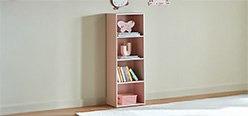
The smaller items that keep the floor clear include a bedside table for the lamp and water glass, a low bookcase, a laundry basket, a rug, and a reading chair. Leave them until the bed and storage are in position, because the gaps will be evident and easy to measure. Several of these items are constructed at Homebox stores across UAE, allowing a child to trial a drawer or seat for size before ordering.
Show More
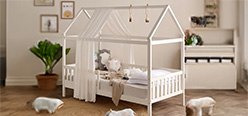
Kids Beds
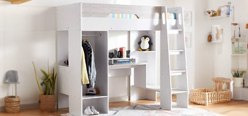
Bunk Beds
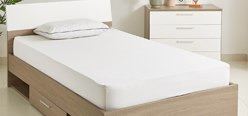
Kids Mattresses
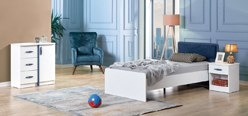
Kids Room Sets
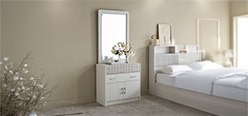
Kids Dressers & Mirrors
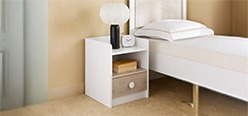
Kids Nightstands
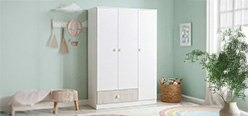
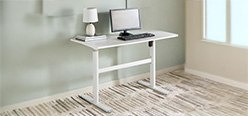
514 Products
Sort by
 Deliver to: Select Your Area


599
749
20% Off


399
499
20% Off


199
249
20% Off


149
179
17% Off


299
349
14% Off


499
599
17% Off


549
699
21% Off


Download our apps
Shop our products and offers on-the-go.